表情符號的使用
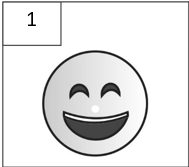
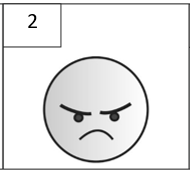
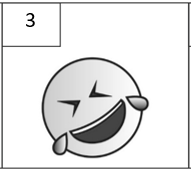
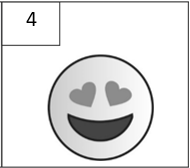
隨著社群媒體的普及,表情符號(emoji)的使用也極為普遍。請參考下列表情符號,寫一篇英文作文,文分兩段。第一段說明人們何以喜歡使用表情符號,並從下列的表情符號中舉一至二例,說明表情符號在溝通上有何功能。第二段則以個人或親友的經驗為例,討論表情符號在訊息表達或解讀上可能造成的誤會或困擾,並提出可以化解的方法。
載入中…
這一題的頂標範文與寫作技巧建議先自己寫完、送出批改,再打開對照。打開看範文 ▾收起 ▴
頂標範文與技術分析
這是同一題的頂標等級範文,標色的地方是值得學起來的進階文法句型或用字。
In today's fast-paced digital world, emojis have become an indispensable part of online communication. The reason why they are so widely used lies in their ability to convey emotions and tones that plain text often fails to express. For instance, a simple grinning face 😀 can instantly soften a request and make a message sound friendly rather than demanding, while a rolling-on-the-floor-laughing face 🤣 allows someone to express genuine amusement far more vividly than typing "haha" ever could. It is precisely this efficiency and emotional richness that make emojis so appealing, especially among young people who value quick, expressive exchanges. However, not every emoji is interpreted the way it is intended, and misunderstandings can easily arise. I still remember the time I sent my best friend an angry face 😠 as a joke after she teased me, only to have her think I was seriously upset and apologize repeatedly for the rest of the day. Had I added a few extra words of explanation, such confusion could have been avoided. This experience taught me that, rather than relying solely on emojis, we should pair them with clear context or a brief clarifying sentence whenever the tone of a message might be ambiguous. Only by doing so can we fully enjoy the fun of emojis without sacrificing clarity in communication.
技巧說明(5)
這句話的主幹是 The reason lies in..., 中間插入 why 引導的形容詞子句修飾 reason,後面又接了一個 that 引導的關係子句修飾 tones。文法規則是:reason 後面可以用 why 子句當同位語/修飾語,說明「原因是什麼」;而 lies in + N 是書面語常用來表達「原因在於...」。比起直接寫 People like emojis because they can show feelings,這種「主詞+lies in+名詞片語」的寫法把因果關係包裝成完整句子的主詞,讀起來更正式、更有層次感,也展現學生能操控較長、較複雜的句構。學生可以套用在任何需要解釋原因的題目,例如:The reason why students feel stressed lies in the heavy workload that schools assign。
這是標準的 It is...that... 強調句型,用來特別凸顯句子中的某個成分(這裡強調的是 this efficiency and emotional richness 這個主詞)。文法規則是:It is/was + 被強調的部分 + that + 句子其餘部分。比起平鋪直敘地寫 This efficiency and emotional richness make emojis so appealing,強調句型能讓語氣更堅定、更有說服力,也向閱卷老師展示考生熟悉進階句型,是高分作文常見的加分技巧。學生可以在任何想要強調原因、理由或重點時套用,例如:It is this strong sense of responsibility that makes him a reliable leader。
這是倒裝版的第三類條件句(與過去事實相反的假設),原本的形式是 If I had added a few extra words of explanation, such confusion could have been avoided,但省略 if 並將 had 提到主詞前面形成倒裝,是更進階、更書面化的寫法。文法規則:當條件句使用 had 時,可以省略 if,把 had 倒裝到句首,子句動詞用過去完成式,主要子句用 could/would/might + have + p.p.。這種倒裝假設語氣比單純用 if 子句更精煉、更具文采,能讓閱卷老師眼睛一亮,展現考生對複雜時態與倒裝結構的掌握。學生可以用在任何「早知道就好了」的情境,例如:Had I studied harder, I would have passed the exam。
這句話使用了 Only by + V-ing 開頭的部分倒裝句型,表達「唯有透過...才能...」。文法規則是:當 Only + 介系詞片語(如 only by, only then, only in this way)放在句首時,後面的主要子句必須進行主詞與助動詞的倒裝,此處助動詞 can 提到主詞 we 之前。比起平鋪直敘寫 We can only fully enjoy the fun of emojis by doing so,倒裝句更強調「唯有如此」的條件性與必要性,語氣更有力、更正式,是學測作文中展現高階句型掌握度的經典技巧之一。學生可以套用在任何需要強調「唯一方法」的結論句,例如:Only by practicing every day can we master a new language。
這裡運用了 rather than 連接兩個對等的形容詞 friendly 和 demanding,形成清楚的對比結構,同時使用了 soften 這個精準動詞(使...緩和)取代籠統的 make...nicer。文法規則:rather than 可以連接兩個詞性相同的單字、片語或子句,表達「而不是」的對比關係,使用時前後成分需保持平行(parallel structure)。選用 soften 這類精準且具畫面感的動詞,而非泛用的 good/nice,能展現字彙的精準度與寫作的成熟度,是學測作文評分中「精準用字」的重要加分項。學生可以在對比兩種語氣或結果時套用此句型,例如:Good communication skills can make a conversation enjoyable rather than awkward。
範文由 WriteUp 依學測評分規準產生,供練習參考,不是大考中心公布的佳作。