四格漫畫-腳受傷被要求博愛座讓位
請仔細觀察以下三幅連環圖片的內容,並想像第四幅圖片可能的發展,寫出一個涵蓋連環圖片內容並有完整結局的故事。
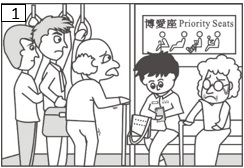
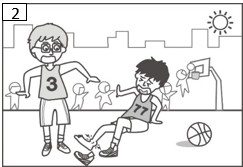
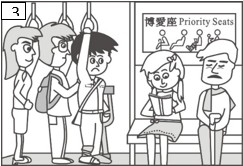
載入中…
這一題的頂標範文與寫作技巧建議先自己寫完、送出批改,再打開對照。打開看範文 ▾收起 ▴
頂標範文與技術分析
這是同一題的頂標等級範文,標色的地方是值得學起來的進階文法句型或用字。
A Lesson on the Bus One afternoon, a boy boarded a crowded bus and sat down in one of the priority seats near the door. His right ankle, wrapped tightly in bandages from a soccer injury, throbbed with every bump in the road. Leaning his crutch against the rail, he sipped his drink and tried to rest. Not long after, an elderly man pushed through the crowd and pointed at him, scolding him loudly for occupying a priority seat. The boy tried to explain his injury, yet the old man refused to listen. Embarrassed by the stares of other passengers, the boy had no choice but to give up his seat. What happened next was both ironic and infuriating. The moment the boy struggled to his feet — one hand gripping his crutch, the other barely holding onto the overhead strap — a young man who had been watching the whole scene calmly slid into the now-empty seat. As for the elderly man who had made such a fuss, he was nowhere to be seen. Seeing this, a kind woman standing nearby finally spoke up. "That seat belongs to someone who truly needs it," she said firmly, looking straight at the young man. Shamed by her words and the nodding of those around him, the young man rose without a word and offered the seat back to the injured boy. The boy sat down again, grateful — not just for the seat, but for the reminder that fairness sometimes needs a voice.
技巧說明(6)
①文法規則:分詞構句(Participial Phrase)是將一個副詞子句或並列句簡化的寫法。這裡原本可以寫成「He leaned his crutch against the rail, and he sipped his drink.」,改用現在分詞片語「Leaning his crutch against the rail」置於句首,表示兩個動作幾乎同時發生,並省略重複的主詞。分詞片語與主要子句的主詞必須相同,這是使用此句型最重要的規則。②加分原因:分詞構句讓兩個動作在一個句子中流暢地合併,既避免了平鋪直敘的「and…and…」結構,也讓句子更有畫面感、更緊湊。與普通寫法相比,語氣更成熟自然,是評卷老師一眼就能辨識的高分句型。③套用方式:學生可以把「做某件事的同時做另一件事」的情境都改用分詞構句。例如:「Wiping the tears from her eyes, she forced a smile and walked away.」(她拭去眼淚,強擠出一個微笑,轉身離去。)
①文法規則:「yet」當連接詞使用時,相當於「but」或「however」,表示「然而、卻」的轉折關係,可直接連接兩個獨立子句,前後不需要加逗號分隔(或加逗號皆可)。②加分原因:在學測作文中,許多學生習慣只用「but」來表達轉折,而「yet」作為連接詞的用法較為正式、文學性較強,能展現考生的語彙多樣性。這個轉折放在老人拒絕聽解釋的情境,精準地呈現衝突感,語氣也比「but」更帶有一種無奈與對比的張力。③套用方式:凡是想表達「雖然…卻…」的對比情境,都可以用「yet」取代「but」。例如:「She studied hard every night, yet her grades never seemed to improve.」(她每晚努力讀書,成績卻似乎始終沒有起色。)
①文法規則:這個句子使用「What + 子句 + be動詞 + 補語」的名詞子句主詞結構,讓「What happened next」作為整個句子的主詞,是一種帶有強調效果的句型。「both A and B」則是平行結構,表示「既…又…」,要求A和B屬於同一詞性(此處均為形容詞)。②加分原因:直接寫「The next thing was ironic and infuriating.」語氣平淡,而用「What happened next was both ironic and infuriating.」不僅製造懸念、引領讀者往下讀,也用「both…and…」強化了兩種對比情緒的並存感,讀來更有力道。這種寫法常見於英語母語者的敘事文章,能讓評卷老師感受到考生的語感成熟度。③套用方式:學生可以在敘述故事的轉折點時使用此句型來製造戲劇感。例如:「What she discovered inside the box was both shocking and heartwarming.」(她在盒子裡發現的東西既令人震驚,又令人感動。)
①文法規則:破折號後的「one hand gripping…, the other barely holding…」是一種「獨立分詞結構」(Absolute Phrase),由「名詞 + 現在分詞」組成,用來補充說明主要動作發生時的伴隨狀態或細節,類似中文的「一手…另一手…」。這個結構不要求與主句主詞相同,因此比普通分詞構句更靈活。②加分原因:這個結構把男孩拄著拐杖艱難起身的具體動作拆解成生動的畫面,比「He got up with difficulty」平白得多,讓讀者幾乎能親眼看到那個場景。細節的具體性是看圖作文得高分的關鍵,而此句型正好能在短篇幅內塞入豐富的視覺資訊。③套用方式:描寫人物動作細節時,可以用「one hand…, the other…」或「eyes wide open, mouth slightly trembling」等獨立分詞結構加以補充。例如:「She walked out of the exam room, legs shaking, heart still pounding.」(她走出考場,雙腿顫抖,心跳仍未平息。)
①文法規則:「nowhere to be seen」是一個慣用片語,意思是「無處可見、蹤跡全無」,相當於「not to be seen anywhere」。「as for…」作為主題轉換的引導語,意思是「至於…」,常用來轉移焦點,是正式書面英語中常見的過渡結構。②加分原因:單純寫「The old man left.」過於直白,毫無文學效果。「As for the elderly man who had made such a fuss, he was nowhere to be seen.」既用關係子句「who had made such a fuss」強化了對老人行為的諷刺批評,又用「nowhere to be seen」這個精準的慣用片語點出老人消失的諷刺性,完整呼應圖片三的情節,具有言外之意,讀來帶有一絲嘲諷語氣,大幅提升文章的表達張力。③套用方式:當故事中某個製造麻煩的人物突然消失時,都可以套用這個句型。例如:「As for the classmate who had started the rumor, she was nowhere to be found when the teacher began to investigate.」(至於那個散播謠言的同學,老師開始調查時她早就無影無蹤了。)
①文法規則:「not just A, but B」是一個強調範圍擴大的句型,意思是「不只是A,更是B」,用來表達比單一原因更深層的情感或意義。後面接的「that-clause」(that fairness sometimes needs a voice)是同位語子句,補充說明「reminder」的內容,屬於進階句型之一。②加分原因:文章結尾如果只寫「The boy was happy to sit down again.」毫無深度,但用「not just…but…」結構把故事提升到對「公平需要有人發聲」的主題反思,讓文章有了首尾呼應的立意深度。這種「具體事件→抽象主題」的收尾方式,正是高分作文結尾最常見的模式,能讓閱卷老師感受到考生的思維成熟度與語言駕馭能力。③套用方式:在任何故事型作文的結尾,學生都可以用「not just…but…」把敘述的具體事件昇華成一個普遍的人生道理。例如:「She thanked him — not just for the umbrella, but for proving that strangers can still care.」(她謝謝他,不只是為了那把傘,更是因為他證明了陌生人之間仍然存在善意。)
範文由 WriteUp 依學測評分規準產生,供練習參考,不是大考中心公布的佳作。