四格漫畫-麵店遺失金錢
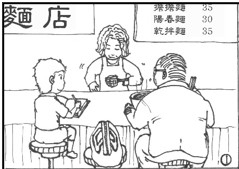
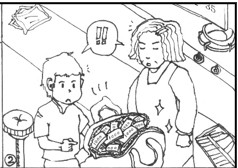
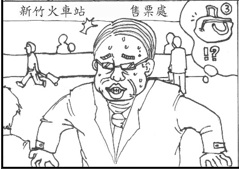
請仔細觀察以下三幅連環圖片的內容,並想像第四幅圖片可能的發展,寫出一個涵蓋連環圖片內容並有完整結局的故事。
載入中…
這一題的頂標範文與寫作技巧建議先自己寫完、送出批改,再打開對照。打開看範文 ▾收起 ▴
頂標範文與技術分析
這是同一題的頂標等級範文,標色的地方是值得學起來的進階文法句型或用字。
One afternoon, a young man walked into a noodle shop for a quick meal. A female cook was busy in the kitchen, and beside him sat a middle-aged man in glasses, his briefcase resting on the empty seat between them. The two strangers ate in silence, each minding his own bowl. Before long, the man in glasses finished his noodles, paid, and left in a hurry. It was only then that the young man and the cook noticed the briefcase still sitting on the chair. Curious, they opened it — and gasped. It was stuffed full of cash, more money than either of them had ever seen at once. Meanwhile, the man in glasses had already rushed all the way to Hsinchu Train Station. Standing at the ticket counter, he reached for his briefcase and froze. It was gone. Panic spread across his face, sweat beading on his forehead as he struggled to remember where he had left it. Back at the noodle shop, the young man made up his mind. Rather than keeping the money, he grabbed the briefcase and sprinted to the station. Out of breath, he spotted the frantic man near the ticket counter and handed the bag back without hesitation. The man in glasses clutched it to his chest, relief and gratitude washing over him. "Thank you," he said, bowing deeply. "You've restored my faith in people." The young man simply smiled, feeling richer than any amount of cash could make him.
技巧說明(6)
①文法規則:分詞構句(Participial Phrase)是將一個帶有相同主詞的副詞子句簡化而成。此處原句可展開為 'While he was standing at the ticket counter, he reached for his briefcase and froze.',去掉連接詞與重複主詞後,動詞改為現在分詞 standing,放置句首修飾主句。②為何加分:相較於直白地寫 'He stood at the ticket counter and reached for his briefcase and froze.',分詞構句把「站在售票處」這個背景動作濃縮成前置修飾語,讓句子更簡潔有力,同時突顯「伸手摸包→整個人僵住」的戲劇性轉折,閱卷老師會注意到考生能靈活使用這種進階句構。③套用方式:學生可以在任何描述「正在做某事的當下,另一件事發生了」的情境中使用。例如描述運動場景:'Crossing the finish line, she burst into tears of joy.'(跑過終點線時,她喜極而泣。)句型公式:V-ing…, S + V(主要動作)。
①文法規則:這是「強調句型」(Cleft Sentence)與副詞片語 only then 搭配倒裝的進階用法。'It was only then that...' 是 It is/was ... that ... 強調句的固定格式,用來凸顯時間副詞 only then(就在那時)。注意:當 only + 時間副詞置於句首時,英文須部分倒裝;但在 It was ... that 強調句結構裡,時間詞已被包裹進 It was ... 框架中,後面的 that 子句維持正常語序,兩者各有用武之地。②為何加分:普通寫法可能只是 'Then the young man and the cook noticed the briefcase.',平淡無奇。使用 'It was only then that...' 能製造敘事節奏感,讓讀者感受到「就在這個時間點」的突然性與驚覺感,非常適合描述故事的轉折點。③套用方式:凡故事中有「直到那一刻才意識到某事」的情境,都可以套用。例如:'It was only then that I realized I had left my wallet at home.'(就在那時我才意識到我把錢包忘在家裡了。)
①文法規則:這個句子包含兩個值得拆解的技巧。第一,'sweat beading on his forehead' 是獨立分詞構句(Absolute Phrase),beading 為現在分詞,sweat 是這個分詞片語自己的邏輯主詞(與主句主詞 he 不同),用來補充描述身體的附帶狀態,文法上獨立存在。第二,'as he struggled to remember' 中的 struggled to 精準傳達「努力卻費勁」的感覺,比單純說 tried to 更有張力。②為何加分:相較於 'He was scared because he lost his bag.',這個句子透過臉部表情(panic spread)與生理反應(sweat beading)具體呈現人物的情緒,展示了「Show, don't tell」的寫作原則,讓閱卷老師感受到考生的描寫能力遠超一般程度。③套用方式:描寫人物情緒時,學生可以用「情緒動作 + 生理細節」的雙層結構。例如描述緊張:'Anxiety gripped her chest, her hands trembling slightly as she waited for the results.'(焦慮緊揪著她的心,等待成績時她的雙手微微顫抖。)
①文法規則:Meanwhile 是時間副詞連接詞,用來表示兩件事情「同時進行」,常見於敘事文中切換場景或視角。此處搭配過去完成式 had already rushed,強調「在男生還在麵店時,大叔已經趕到車站了」,時態的選用精確呈現兩條故事線的相對先後關係。②為何加分:學生若只寫 'The man went to Hsinchu Train Station.',敘事節奏平板,且讀者不清楚時間關係。用 Meanwhile + 過去完成式,一方面製造電影式的「平行剪接」效果,另一方面讓時間軸清晰,整個故事結構顯得成熟而有條理。③套用方式:在任何需要同時描述兩個地點或兩個角色動態的故事中都可以使用。例如:'Meanwhile, her mother had already prepared a surprise party at home.'(與此同時,她媽媽早已在家裡準備好了驚喜派對。)
①文法規則:'Rather than + V-ing' 是一個表達「選擇不做某事,而選擇做另一件事」的慣用句型,屬於對比連接結構。這裡 rather than keeping the money 作為副詞片語,修飾後面的主要動作,意思是「沒有選擇留下錢,而是…」,句型簡潔但語意對比強烈。②為何加分:若寫成 'He did not keep the money. He grabbed the briefcase and ran to the station.',雖然意思相同,但兩句並列顯得生硬,且無法突顯主角做了一個道德上有意義的選擇。Rather than 把「選擇」與「行動」壓縮進同一句,讓主角的品格在句子結構本身就顯現出來,敘事更有力量。③套用方式:需要表達「捨棄A選擇B」的情境皆可套用。例如:'Rather than giving up, she decided to try one more time.'(她沒有選擇放棄,而是決定再試一次。)
①文法規則:這個句子使用了「比較級 + than 子句」的結構,而 than 子句中含有情態動詞 could,表達「任何金錢所能帶來的富有程度都比不上此刻的感受」。此外,feeling richer... 是附加分詞構句,補充描述主角微笑時的內心狀態。②為何加分:結尾若只寫 'The young man was happy.',不但平淡,更浪費了收尾昇華主題的機會。這個結句利用比較級的反差(金錢的富有 vs. 心靈的富有),以一個意象性的表達點出故事的道德主題——誠實與善良比金錢更有價值——讓全文在情感與立意上都提升到更高的層次,正是閱卷老師期待的「有亮點的結尾」。③套用方式:在任何主題昇華或人生感悟的結尾,都可以用「feeling + 比較級 + than...」來收束。例如:'She walked away slowly, feeling lighter than she had in years.'(她緩緩離去,感覺多年來從未如此輕鬆。)
範文由 WriteUp 依學測評分規準產生,供練習參考,不是大考中心公布的佳作。